
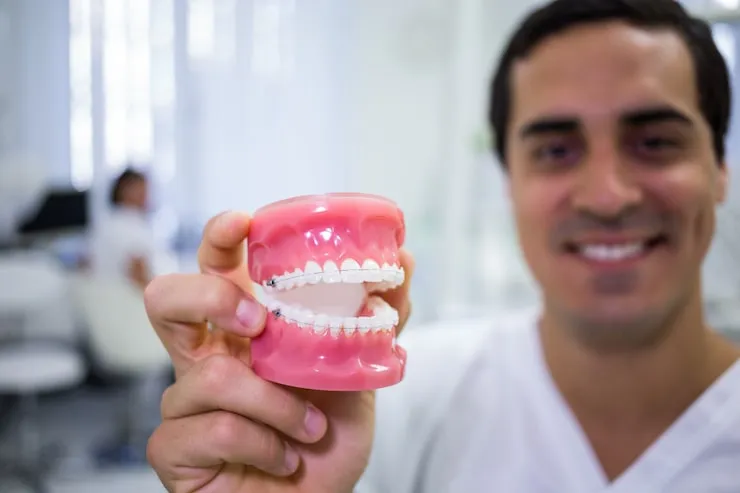
Replacing missing teeth involves more than filling visible gaps. The right denture depends on how many teeth are absent, which natural teeth remain, and whether the gums and supporting bone can provide stable support. Full and partial dentures in Cary address different patterns of tooth loss: a full denture replaces all teeth in an upper or lower arch. In contrast, a partial denture replaces selected teeth when suitable natural teeth remain.
An examination helps determine which design is practical, how it may feel, and what maintenance it will need over time. The right design should support comfortable daily function over time.
When Full Dentures Are Used
A full denture replaces all teeth in one dental arch. A person may need an upper denture, a lower denture, or both, depending on which teeth remain. The appliance rests on the gum ridge and is shaped to support chewing, speech, and facial appearance.
The fit of a full denture can change as the gums and underlying ridge remodel after tooth loss or extraction. This is one reason follow-up checks matter. Adjustments or relining may be recommended if the denture rubs, shifts, or becomes less stable. Do not reshape a denture at home.
When Partial Dentures May Be Considered
A partial denture replaces some missing teeth while using suitable natural teeth for support. Depending on the design, it may include a framework, clasps, or other attachments. The remaining teeth must be healthy and strong enough to support the appliance, and the dentist should assess the bite and gum condition.
A partial denture can help restore chewing and reduce the space left by missing teeth, but it is not appropriate in every situation. If the remaining teeth are unstable or the gums need treatment, those issues may need attention before making a partial. You may also discuss other tooth-replacement options.
Full Dentures vs. Partial Dentures for Missing Teeth
The choice between full dentures and partial dentures for missing teeth depends on several practical differences:
Coverage: Full dentures replace all teeth in an arch; partial dentures fill selected spaces.
Support: Full dentures rest on the gum ridge, while partials may use remaining natural teeth for support.
Planning: The condition of the remaining teeth, gum tissue, bone, and bite influences whether a partial can be used safely.
Adaptation: Both types may feel unfamiliar at first and can affect speech or chewing while you adjust.
Maintenance: Both need daily cleaning, careful handling, and regular checks for changes in fit.
A recommendation should account for these day-to-day differences as well as the number of teeth being replaced.
How Fit, Comfort and Daily Care Affect the Choice
A new denture may take time to feel natural. You may notice changes in speech, saliva, or chewing while the mouth adjusts. Small sore areas can occur, but check for persistent pain or rubbing. A professional adjustment can relieve pressure points; bending clasps or grinding the appliance at home can damage it.
Remove and clean removable dentures as directed. Clean the gums, tongue, and any remaining natural teeth separately. Many people are advised to remove dentures at night to let the tissues rest, unless a dentist provides different instructions. Store the appliance appropriately so it does not dry out or become damaged.
What Influences Denture Cost and Lifespan?
Denture cost varies by appliance type, materials, design, preparatory treatment, and any additional procedures. A written estimate should explain what is included, whether adjustments are part of the plan, and what fees may apply if repairs or relining are needed later.
Dentures do not last for the same length of time for everyone. Wear, damage, changes in the gum ridge, and the condition of supporting teeth can affect their fit and function.
When evaluating dentures near you, consider follow-up care and maintenance as well as the initial design. Regular reviews can identify when an adjustment, reline, repair, or replacement is appropriate. The choice depends on the teeth and tissues available for support.
Getting an Assessment Before Choosing
A dentist in Cary can examine the remaining teeth, gums, bite, and ridge before recommending a denture design. The assessment may also identify decay, gum disease, or other concerns that should be managed first. The goal is to choose an appliance that fits the mouth’s current condition rather than selecting a type based only on the number of missing teeth.
Choosing a Practice for Follow-Up Care
When considering a dental office near you, look for an explanation of the proposed design, the expected adjustment period, the cleaning routine, and the long-term review schedule. Clear information makes it easier to understand the trade-offs between full and partial dentures and decide which option fits your oral health and daily needs.
Choose a Tooth-Replacement Option That Fits
The most suitable denture works with your remaining teeth, oral health, and everyday needs, not simply the one that fills the most spaces.
Schedule a consultation with Beavers Dentistry to review your missing teeth and discuss suitable denture options. A careful assessment can help you move forward with a design that supports comfort, function, and long-term care.
Frequently Asked Questions
What is the difference between full and partial dentures?
Full dentures replace all teeth in an upper or lower arch. Partial dentures replace selected missing teeth when suitable natural teeth remain to support the appliance. The condition of the gums, bone, and remaining teeth helps determine the appropriate design. The recommended approach depends on the individual.
How do you know if you need full or partial dentures?
The decision depends on how many teeth are missing and whether the remaining teeth can support a partial appliance. An examination of the gums, bone, bite, and tooth condition helps determine whether full or partial dentures or another option may be suitable.
How much do full and partial dentures cost?
Cost varies based on the design, materials, preparatory treatment, and any additional procedures. Request a written estimate that explains what is included, such as adjustments or follow-up visits, rather than relying on a general price range that may not reflect your needs.
How long do full and partial dentures last?
There is no fixed lifespan for every denture. Wear, damage, cleaning habits, and natural changes in the gums and supporting ridge affect fit and function. Regular reviews help determine whether the appliance needs adjustment, relining, repair, or replacement. Fit changes may be gradual.