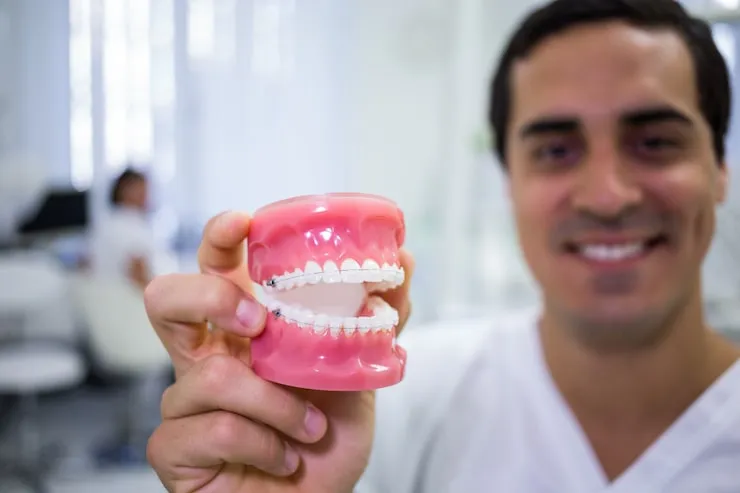
A gum disease treatment visit starts with the dentist checking your gums and the areas around your teeth. The type of treatment depends on how serious the gum problem is. Mild gum disease may only need regular dental cleaning, while more serious cases may need deep cleaning under the gums. During the visit, the dentist checks your gums, looks for plaque and tartar, and explains the care you need. Knowing what to expect during a gum disease treatment appointment can help you feel more prepared and understand why each step is needed.
1. Review of Dental and Health History
The visit may start with a few questions about your teeth, brushing habits, and any problems you have noticed. The dentist may ask if you have any of these concerns:
- Bleeding gums while brushing or flossing
- Red, swollen, or tender gums
- Bad breath that does not go away
- Gum soreness or changes in how the teeth fit together
- Loose teeth or gums pulling away from the teeth
Information about medications, smoking, diabetes, and other health conditions may also be reviewed, as these factors can affect gum health and healing.
2. Examination of the Gums and Teeth
A close examination helps identify signs of gum disease and understand how much treatment may be needed. A dental professional may use a small measuring tool called a periodontal probe to check the spaces between the teeth and gums. These spaces are known as gum pockets.
Healthy gum pockets are usually shallow. Deeper pockets may suggest that gum disease has damaged the tissues supporting the teeth. The examination may also include checking for bleeding, swelling, tartar buildup, gum recession, and loose teeth.
Dental X-rays may be recommended to assess whether the bone around the teeth has been affected. Not every appointment requires X-rays.
3. Discussion of the Treatment Plan
After the examination, the findings are explained, and the next steps are discussed. The treatment depends on the stage of gum disease.
For early gum disease, a regular dental cleaning can remove plaque and tartar from your teeth. If the gum problem has spread below the gum line, the dentist may recommend deep cleaning. This treatment removes plaque and tartar from below the gumline and cleans the tooth roots. It also makes the root surfaces smoother, which helps reduce bacterial buildup.
The plan may also include advice about brushing, flossing, and other ways to care for the gums at home. For advanced cases, further treatment or a referral to a gum specialist may be needed.
4. Cleaning and Removal of Plaque and Tartar
The cleaning process depends on the type of treatment required. During a regular professional cleaning, plaque and tartar are removed from the visible surfaces of the teeth and around the gumline.
For deeper gum disease, scaling and root planing may be performed. This treatment cleans areas below the gums where a regular toothbrush cannot reach. Local anesthesia may be used to reduce discomfort, especially when deeper areas need cleaning.
The cleaning may be done in one visit or over several visits. This depends on how much plaque and tartar need to be removed and how many areas need treatment. Deep cleaning may be part of gum disease treatment in Cary to help control the infection and protect the gums and tissues that support your teeth.
5. Guidance for Recovery and Home Care
After cleaning, the dentist will explain how to care for your gums and keep plaque from building up again. Your gums may feel a little sore, or your teeth may feel sensitive for a short time, especially after deep cleaning.
Follow these care tips:
- Brush twice a day gently with a soft-bristled toothbrush.
- Clean between your teeth daily with dental floss or other suitable cleaning tools.
- Choose softer foods if your gums feel tender.
- Avoid smoking, as it can affect gum health and healing.
- Follow any instructions about pain relief or mouth rinses.
- Contact the dental team if pain, swelling, or bleeding worsens rather than improves.
Consistent home care is important because plaque can build up again after professional cleaning.
6. Follow-Up Visits and Checking Gum Health
A follow-up visit at a dental office near you helps check how the gums respond to treatment. The gum pockets may be measured again, and any remaining areas of inflammation or buildup can be assessed. If the gums have improved, a suitable maintenance schedule can be planned.
Some cases need additional cleaning or care if deeper pockets remain. Regular checkups and professional cleanings help monitor gum health and reduce the risk of the disease becoming worse. If you are looking for gum disease treatment near you, an examination can help identify the care your gums need.
What to Know Before Your Appointment
A few simple steps can help make the visit easier:
- Brush and floss gently before the appointment, unless advised otherwise.
- Bring a list of medicines you take.
- Share any allergies or health conditions.
- Mention bleeding, pain, swelling, or other changes in your gums.
- Ask questions about the treatment, recovery, and expected number of visits.
Choosing a dentist in Cary can help you discuss your symptoms and understand the available treatment options. A dental office can also explain how to care for your gums between appointments and when to return for follow-up checks.
Protect Your Gums With Timely Dental Care!
Healthy gums need regular care and timely attention when signs of infection appear. If you notice bleeding, swelling, tenderness, or changes in your gums, arrange an examination rather than waiting for the symptoms to worsen. Contact Beavers Dentistry to discuss your concerns and learn whether gum disease treatment in Cary is suitable for your needs. An assessment can help explain the condition of your gums, the available treatment options, and the follow-up care needed to maintain your oral health.
FAQs
What happens during a gum disease treatment visit?
The dentist checks your teeth and gums and measures the spaces between them. X-rays may be taken if needed. Treatment may include regular cleaning or deep cleaning. The dentist will also explain how to care for your gums at home.
Is gum disease treatment painful?
Most gum treatments cause little discomfort. Deep cleaning may cause some soreness or tooth sensitivity. The dentist may use numbing medicine to make the treatment more comfortable.
How long does gum disease treatment take?
It depends on how serious the gum problem is. Regular cleaning may take 30 to 60 minutes, while deep cleaning may take longer or need more than one visit.
How many visits are needed for gum disease treatment?
Mild gum problems may need just one cleaning visit. More serious cases may need several visits for deep cleaning. Follow-up visits help the dentist check how well your gums are healing.