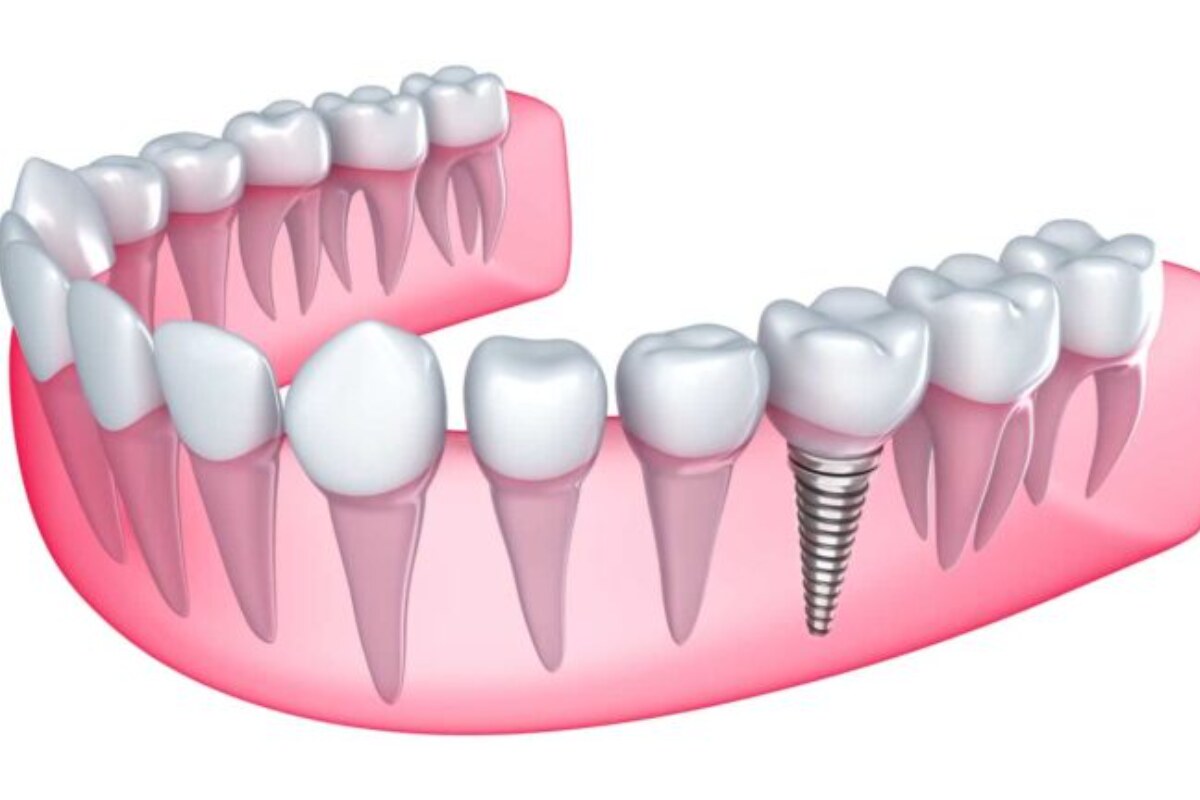

Many patients worry that extraction is the only fix when a tooth is broken or fractured. Today’s dentistry aims to save natural teeth whenever possible. In Cary, NC, dental crowns are designed to restore a tooth’s strength and function while helping it look natural. If understand why crowns are usually preferred to extraction will help you make the best choice for your oral health
When a tooth is damaged or weakened, many patients fear that removal is the only solution. In reality, modern dentistry focuses on preserving natural teeth whenever possible. Treatments like dental crowns in Cary, NC, are designed to restore strength, function, and appearance while maintaining the original tooth. Understanding why crowns are often preferred over extraction can help you make informed choices about your oral health.
Understanding Dental Crowns and Tooth Extraction
What Is a Dental Crown?
A dental crown is a custom-made cap that covers a damaged tooth. It restores the tooth’s shape, size, and strength while protecting it from further harm. Crowns are designed to blend naturally with your smile and function like a real tooth.
What Does Tooth Extraction Involve?
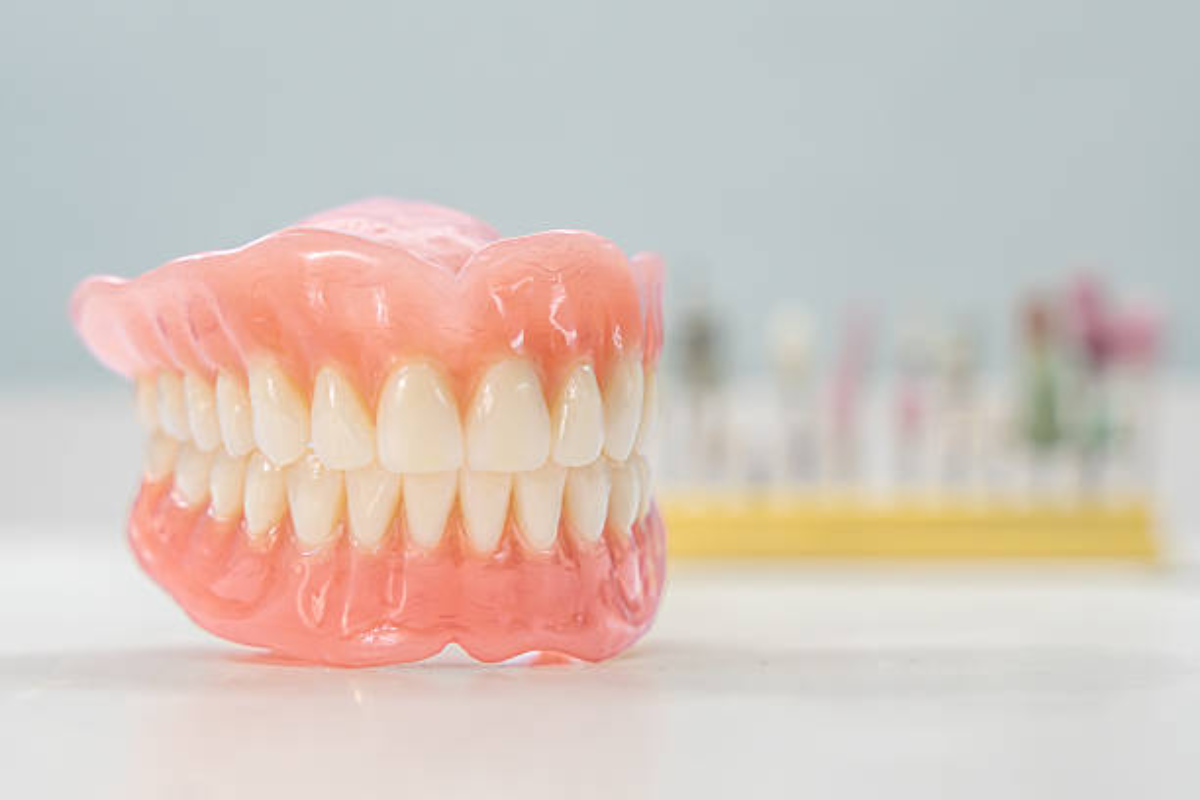
Tooth extraction is the complete removal of a tooth from its socket. While sometimes necessary, extraction is usually considered a last option. Losing a tooth can affect chewing, speech, and the alignment of nearby teeth if left untreated.
Why Dentists Prefer Saving Natural Teeth
Your natural teeth play an essential role in overall oral health. Removing a tooth can cause surrounding teeth to shift, leading to bite problems and uneven wear. This is one of the main reasons dentists often explain how dental crowns can prevent tooth extraction when treatment is done early.
Preserving the tooth also helps maintain jawbone strength and supports long-term dental stability.
Common Dental Problems Treated with Crowns
Dental crowns are commonly recommended when a tooth is damaged but still salvageable.
Situations Where Crowns Are Effective
- Large cavities that weaken the tooth
- Cracked or fractured teeth
- Teeth that have undergone root canal treatment
- Severely worn or broken teeth.
In these cases, a crown reinforces the tooth and protects it from further damage, reducing the need for extraction.
Benefits of Dental Crowns Over Tooth Extraction
Choosing restoration instead of removal offers several advantages. The benefits of dental crowns over tooth extraction include functional and long-term improvements in oral health.
Key Advantages
- Preserves your natural tooth structure
- Maintains proper bite and chewing ability
- Prevents neighbouring teeth from shifting
- Supports jawbone health
- Provides a natural-looking smile
These benefits make crowns a preferred solution for many patients seeking conservative dental care.
Are Dental Crowns Better Than Tooth Removal Long Term?
Patients often wonder if dental crowns are better than tooth removal for oral health. Usually, the answer is yes to this. Having a tooth extracted can lead to bone loss in the jaw over the years, which can affect your facial structure and may increase the likelihood of further dental issues.
Crowns help maintain the tooth and surrounding bone, supporting long-term stability and reducing the need for more complex procedures later.
Crown vs. Extraction: A Simple Comparison
| Factor | Dental Crown | Tooth Extraction |
| Natural tooth preserved | Yes | No |
| Impact on jawbone | Maintains bone | May cause bone loss |
| Effect on nearby teeth | Stable alignment | Teeth may shift |
| Need for replacement | No | Often required |
| Long-term comfort | High | Depends on replacement |
This comparison shows why crowns are often the preferred option when a tooth can still be saved.
The Importance of Early Dental Care
Timing plays a significant role in treatment success. Addressing dental issues early increases the chances that a crown can be used instead of an extraction. Regular visits to a dentist near you help detect problems before they become severe.
Routine care and timely treatment can make the difference between saving a tooth and losing it.
Comfort and Daily Function with Crowns
Crowns are designed to handle everyday activities such as chewing and speaking comfortably. Once placed, they feel natural and stable. With good oral hygiene and regular checkups at a trusted dental office in Cary, crowns can last for many years.
Conclusion
Dental crowns are often a better option than tooth extraction. They can save your teeth and have some healing effects as well. The professionals at Beavers Dentistry focus on preserving teeth and providing valuable solutions so patients can enjoy strong, healthy smiles with confidence.
FAQs
1. When is a dental crown preferred instead of an extraction?
When a tooth is damaged but strong enough to be preserved and protected, a crown is recommended.
2. Will you experience pain with a dental crown?
The procedure is usually not too uncomfortable, and most people feel only slight discomfort.
3. How long can a dental crown last?
Dental crowns can last for years, with some lasting 10 years or more with proper care.
4. Can crowns help prevent tooth extraction?
Indeed, if placed at the right time, crowns protect the tooth and reduce the chances of extraction.